My last name is Kurtev. I got it from my Bulgarian dad, and my mom is Moldavian. I grew up at the intersection of two cultures and always felt that there was something more behind me than just family history.
Over time, I began to notice that traits of my grandfathers were emerging in me. My grandfather on my mother's side influenced my mind, the way I think and where I am drawn. It gave me a craving for entrepreneurship, business, and my own affairs. And from my grandfather on my father’s side, I feel the external character, some behavioral norms, the peculiarities of how I communicate with people and perceive the world around me.
And the older I get, the more I notice these traits in myself. This is probably how I began to truly understand what the connection between generations means.
For me, this connection is also in my last name. Kurtev is the surname of my family, which is preserved from generation to generation along with our history.
«In our family, the surname Kurtev is associated with the image of a leader - a person who leads. Therefore, I feel in her not just a surname, but part of my heritage»
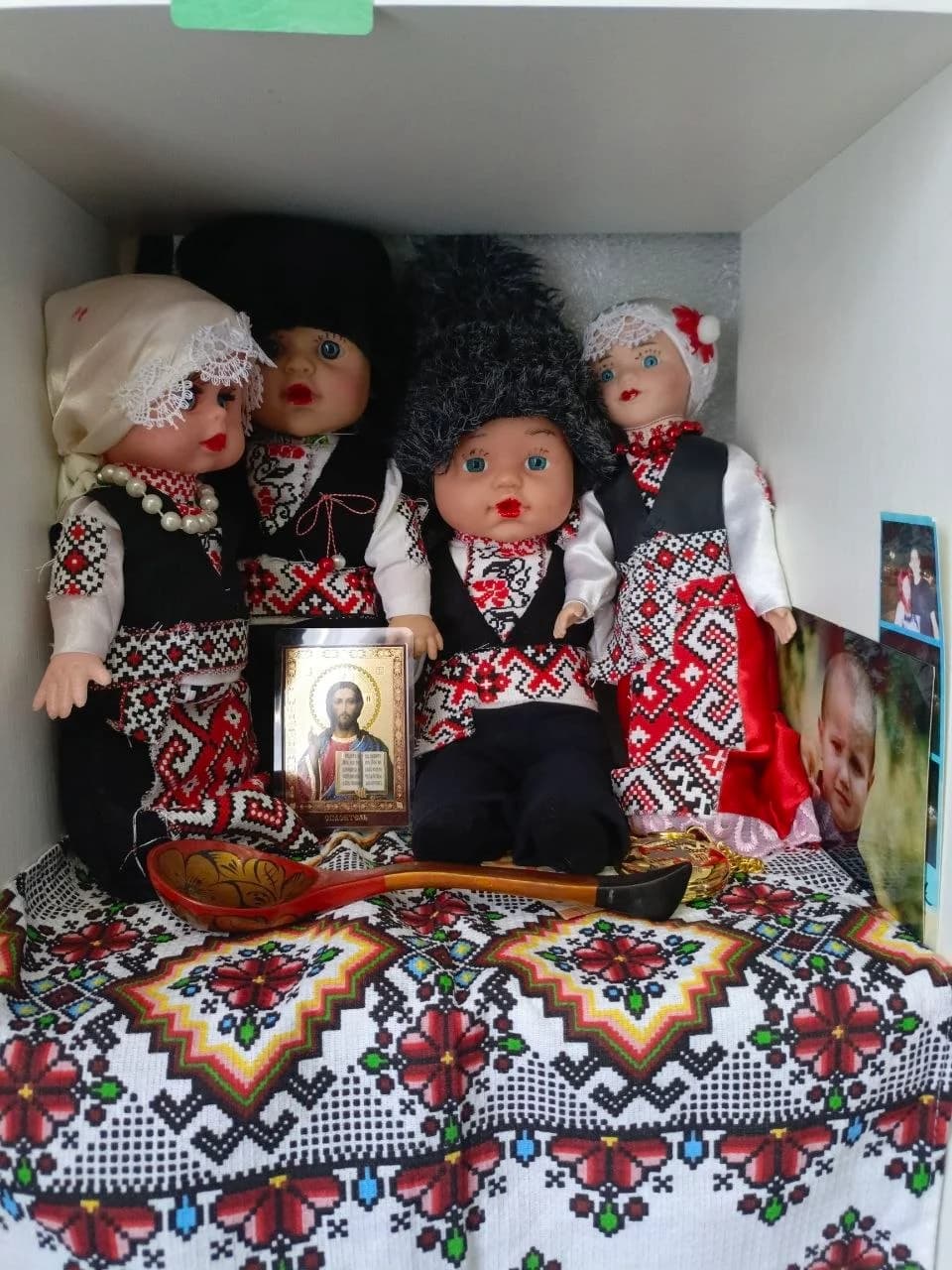
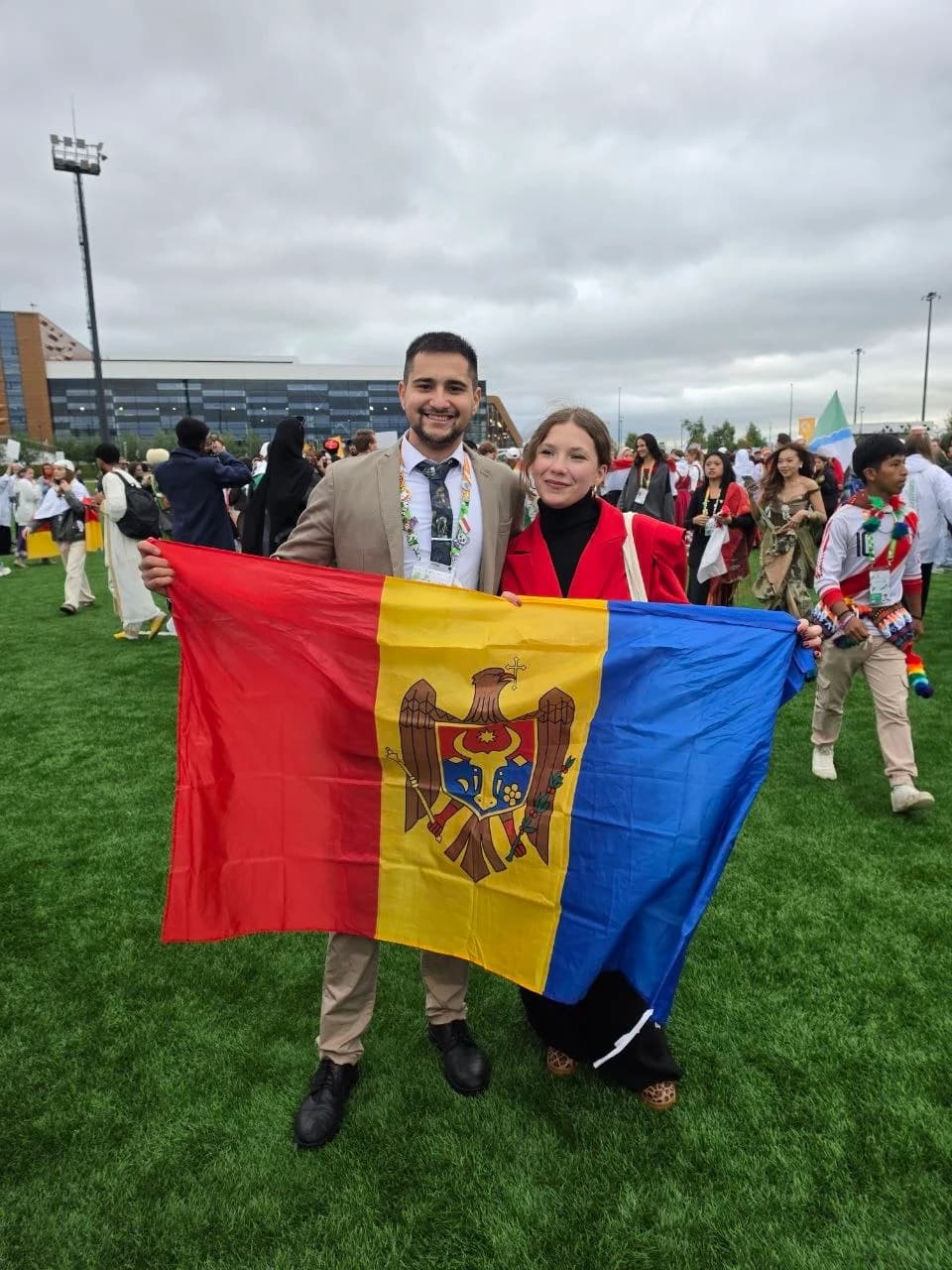
Since my father is Bulgarian and my mother is Moldavian, in our family there are always two cultures nearby. When Moldovan relatives or guests come, we always set the table, prepare mamalyga, and serve it with sour cream and feta cheese. And since childhood, I have had a special taste - cold watermelon with salty cheese. Now I buy watermelon and cheese myself and treat them to the guys when we get together at forums or camps. It turns out that what was once part of my childhood, I am already passing on.
On the Bulgarian side, we feel the holiday itself differently. When another family comes to the house, relatives and neighbors gather, a lot of food is prepared, Bulgarian folk songs are played, everyone dances and dances in circles. At such moments, you especially feel that culture is not only what we know about our ancestors, but also what we continue to do together.
This is probably why I want to show a foreign guest not a postcard Russia, but a living connection between generations through places where nature, memory and culture are intertwined into one whole.
If a guest came to me,I would lead him to where the call of the ancestors is heard.
First - to Gelendzhik, to the Gebius Falls. Through mountain forests, along rivers and steep paths - to a 16-meter waterfall. There I would invite the guest to lie down in the icy mountain water, look up at the stone walls, like in an ancient temple, and hear only the roar of water. Time disappears. I myself lay there for a few seconds, but they felt like an eternity.
«It was then that the realization came: nature connects us with the past and the future. This place charges you so much that you feel the inner light for months afterwards.»
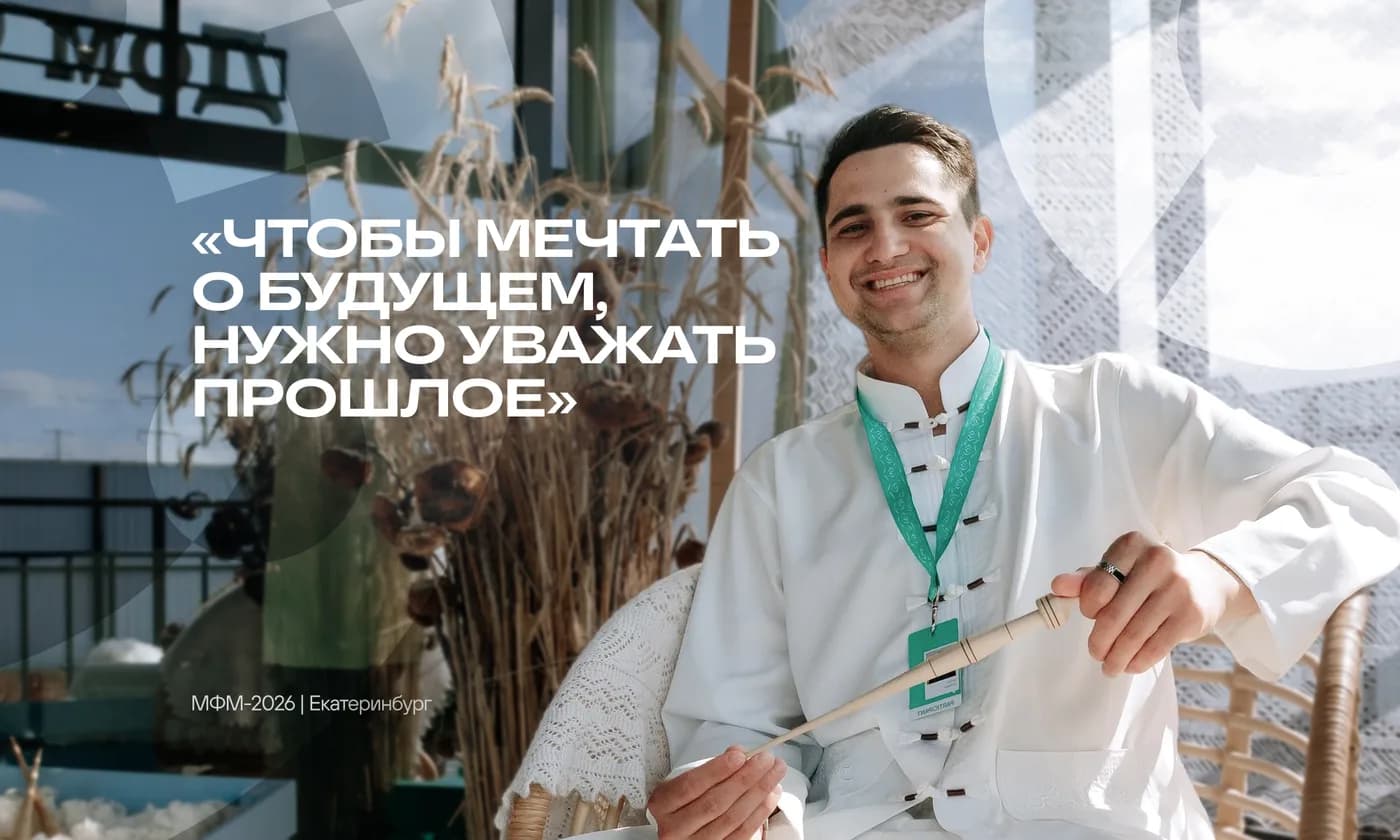
Then - Novorossiysk, Malaya Zemlya. Hero City, a place of memory and strength. There I would tell the guest:“To dream about the future, you need to respect the past”. Freedom is not a given, but the result of the courage of those who came before us.
The next point is Cypress Lake in Sukko. The only place in Russia where 32 swamp cypresses grow directly from the water. According to legend, these are warrior-heroes who stood up to defend the earth and were transformed by the gods into immortal trees. In autumn, their crowns flare up with crimson - and the lake becomes a picture that cannot be forgotten. This place is like the call of the ancestors: quiet but strong.
And the final point is the International Friendship Club, a meeting with young people from different countries. There I would show the guest that Russia is not only nature and history, but also living people open to the world.
I would also give him a small stone from the Black Sea shore - as a symbol of the fact that even the smallest thing can be the beginning of a great journey.
After such a route, the guest would see:nature, history, culture and people are a single system that supports us if we are open.