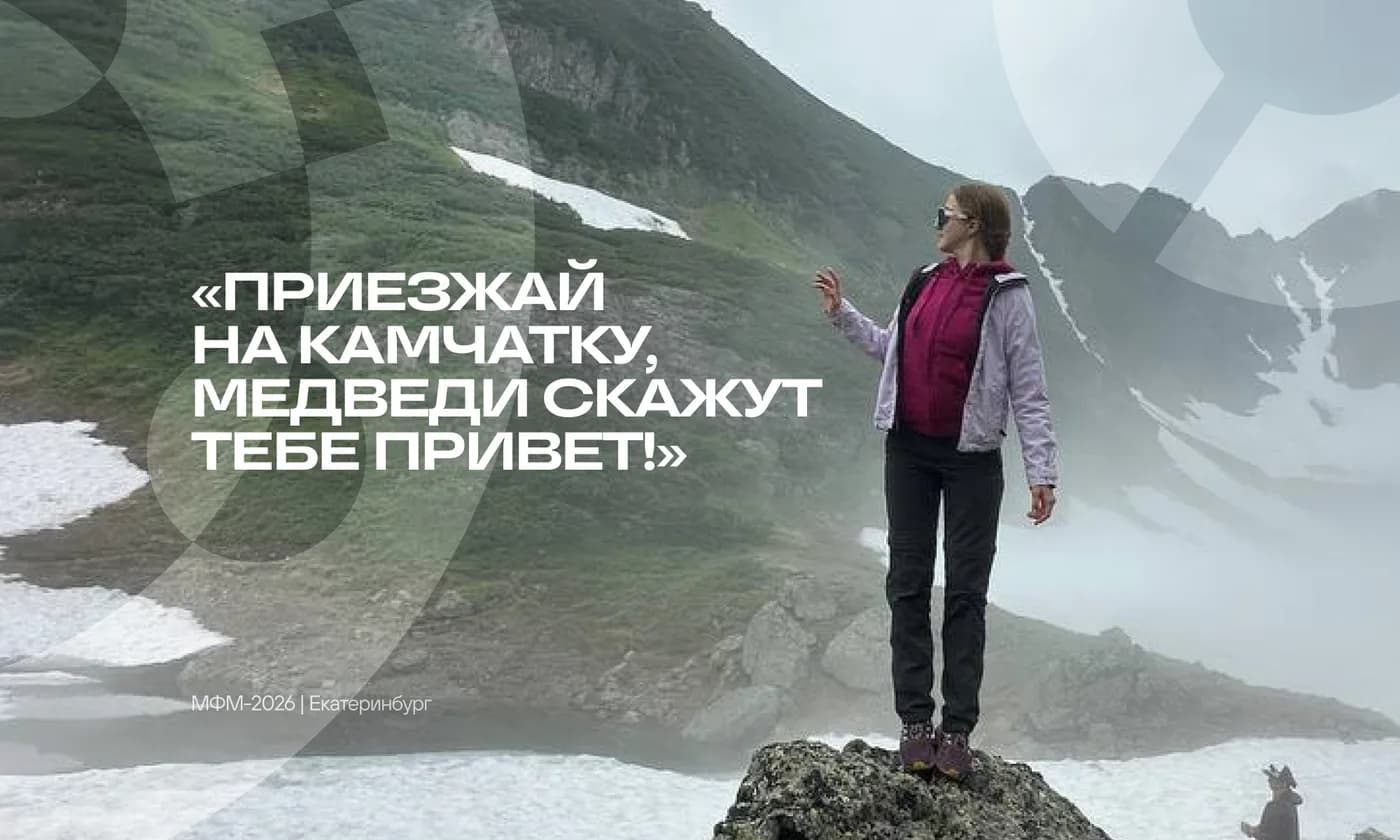
I’m from the Kamchatka Region, from Petropavlovsk-Kamchatsky. I’m currently studying at the Ural State Law University, majoring in “Judicial and Prosecutorial Activities.” Being far from home, I’m coming to realize more and more how much Kamchatka means to me and how much I want to help it develop.
The Kamchatka Region is a place that many people leave. This is influenced by both the climate and seismic activity. I don’t know if you’ve heard about the earthquake that was measured at a magnitude of 9. It was very powerful in Kamchatka. Because of this, a great many residents have moved to other regions, and now we lack qualified professionals in various fields: doctors, lawyers, investigators, and so on.
For me, the challenges faced by the residents of the Kamchatka Territory aren’t a risk. We’re simply used to earthquakes. But the climate brings other challenges as well. This year, we’ve also had a lot of snow. Now, because of that, we’re having problems with berries and fish—those are challenges too. But, unfortunately, the climate is changing in ways we can’t control. We have to keep moving forward. And, of course, we need to attract specialists to our region who could help fix these issues.
That said, Petropavlovsk-Kamchatsky is a really great, thriving city. Our infrastructure is developing, and the number of parks and green spaces is increasing. In the past, many areas were undeveloped, but now residents can go for walks: there’s a very nice park in the center, and we’ve built a waterfront promenade. And you can take a walk through the landscaped grounds and enjoy all the sights Kamchatka has to offer: volcanoes, the bay, and orcas.
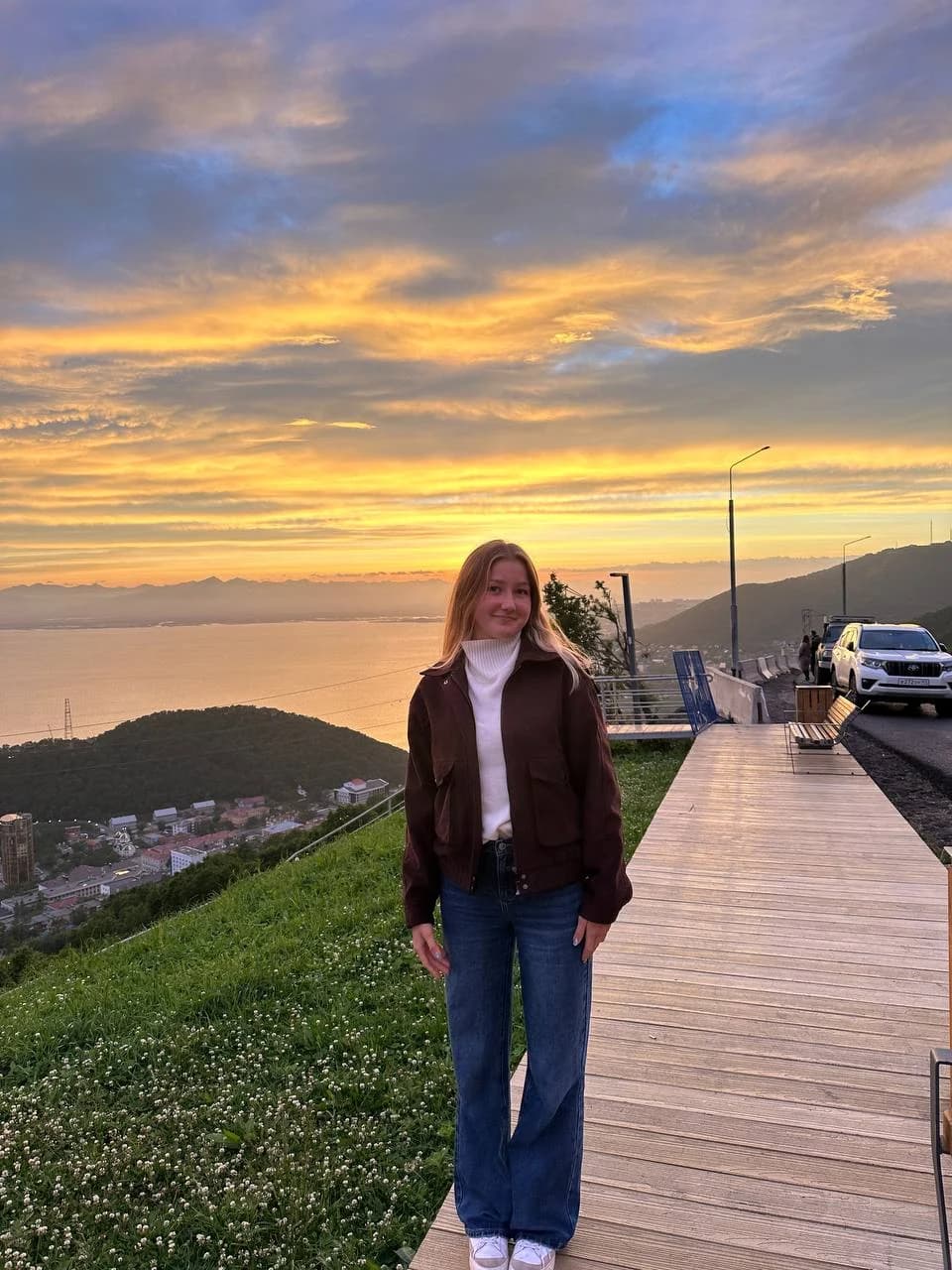
«You can also stroll through the well-kept area and admire all the sights of Kamchatka: volcanoes, bay and killer whales.»
That’s why I want to help my region, at least in the ways I can right now. Not just through beautiful photos of volcanoes and nature, but also through everyday life: how the city is developing, what opportunities are emerging, what people are doing, and where they study and work. I think it’s important for people to know Kamchatka not only as a distant region on the other side of the country, but also as a place where people live with their own dreams, plans, and a desire to make their region better. Even a small effort—my story about this region—can contribute in some way to its development. If, as a result, someone wants to visit us, see the beauty of the Kamchatka region, and then, perhaps, even move here and become part of its development, then it will have been worth it.
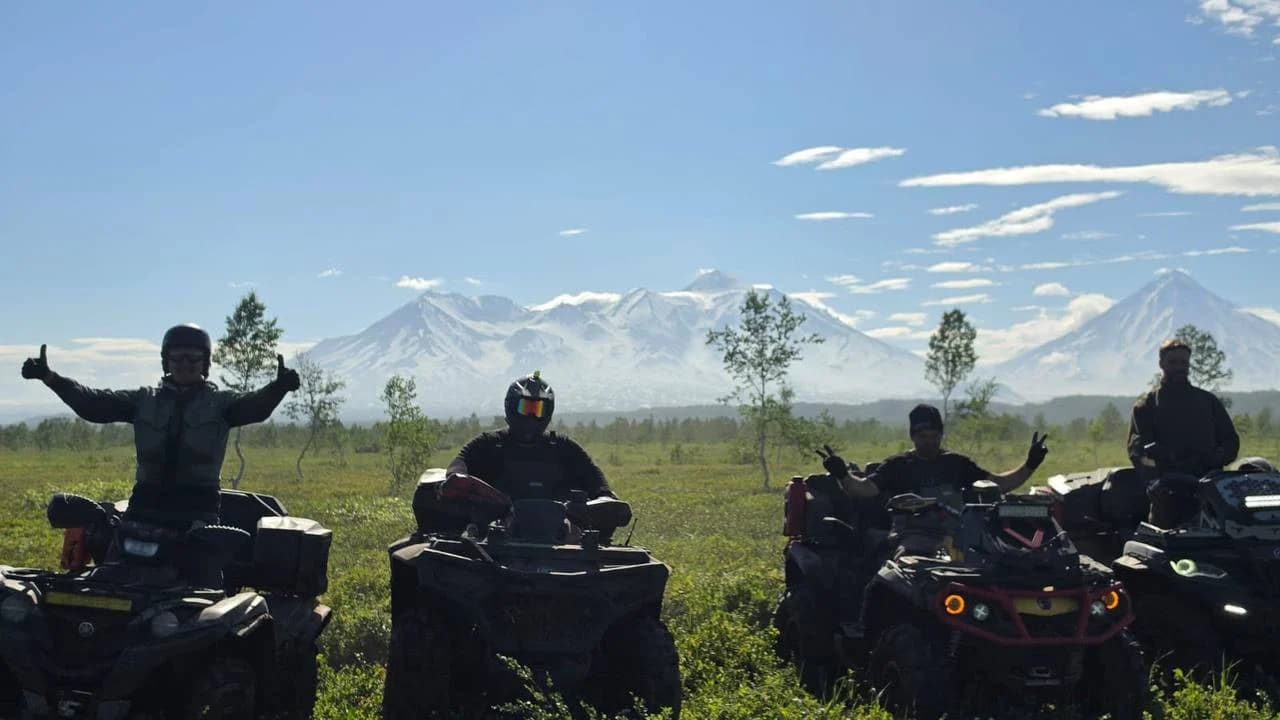
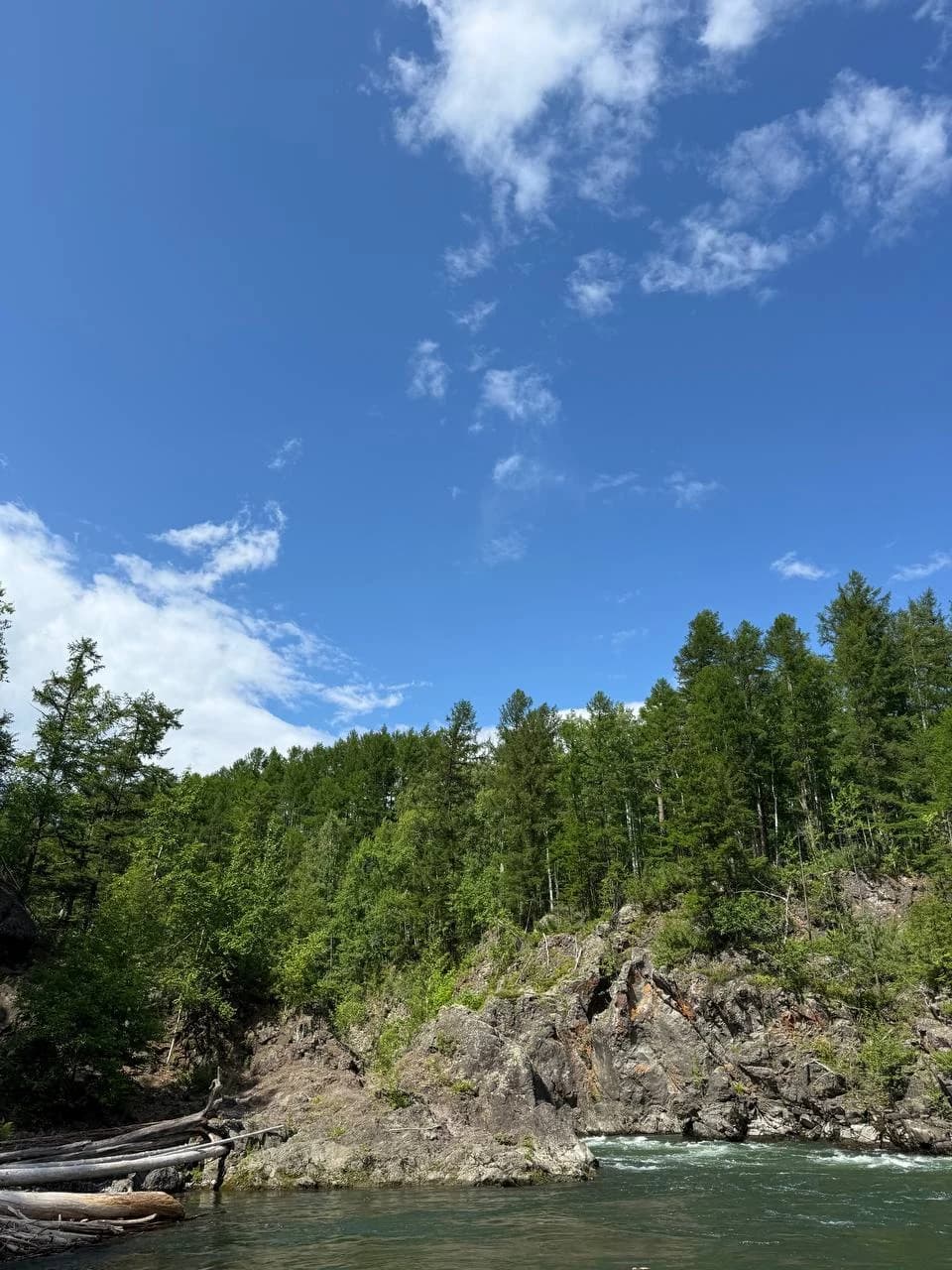
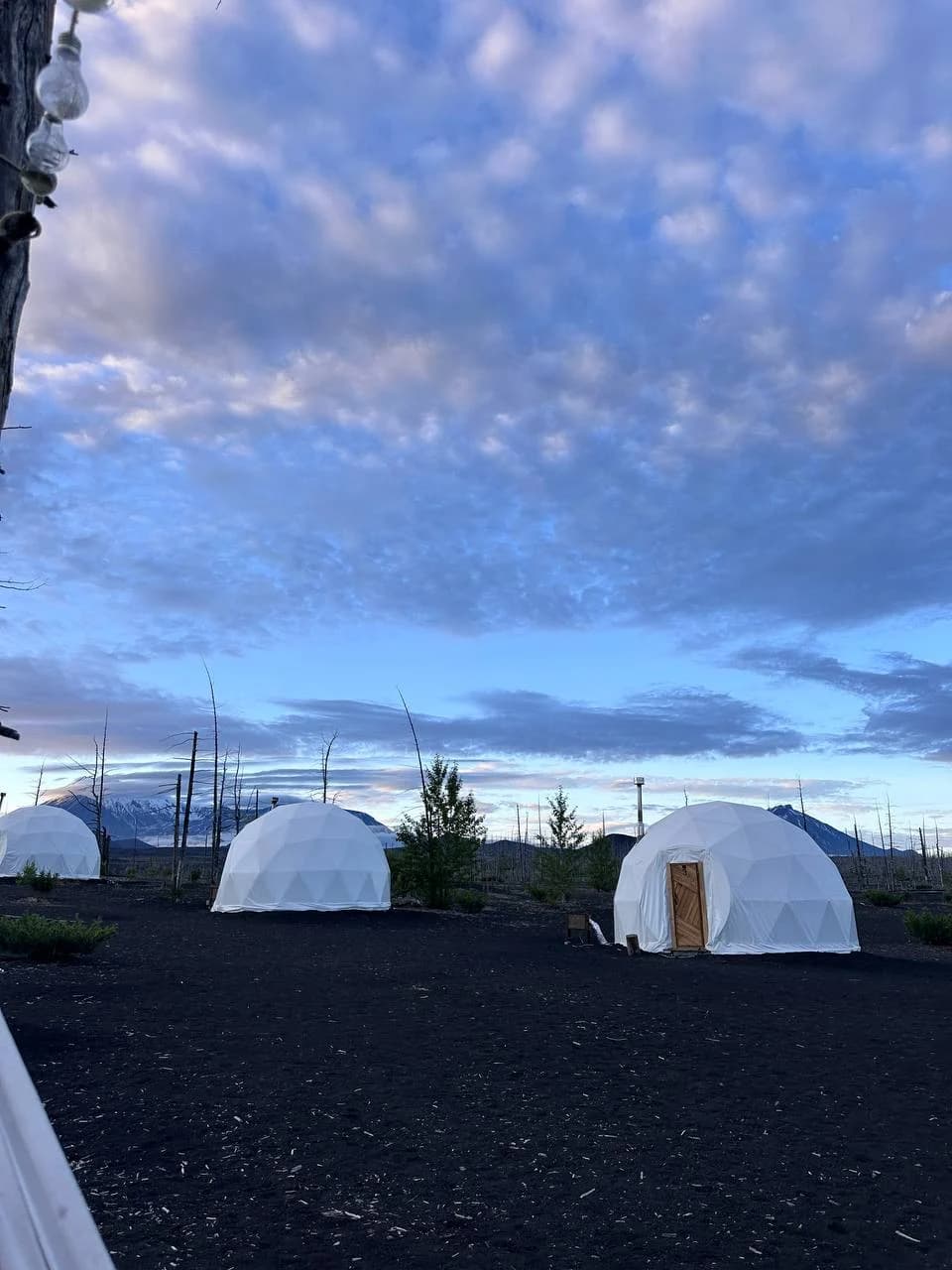
After visiting our region, some tourists start thinking about moving here. And that’s great, too, because they can help develop this place, improve our city’s infrastructure, and increase the number of professionals here.
I have a favorite place that I consider home—the “Malki” recreation center. We used to spend a lot of time there with my biathlon team and my parents. And it’s become a place that feels like home: there are thermal springs and ponds with frogs. It’s also because of the Malki water, which is unlike any other water I’ve ever tasted in my life. It’s drinkable, sparkling water. It really is very tasty. I’m always asking people to bring me water from Kamchatka. Some people ask for seafood, but I ask for water.
«I believe you should visit the whole world, every corner of it. And if you’re limited in your ability to travel around the world, then travel to different places in our beautiful country. I think Kamchatka is a unique place, and you won’t find such beauty anywhere else. Come to Kamchatka—the bears will say “Hello” to you!»